
I’ve deployed several turnkey casino builds. A full deployment usually includes web, platform, API casino integration, payments, KYC, and CRM. You get the casino software integration, operator tools wiring, and launch-ready casino website integration so the casino actually runs, not just looks live.
I’ve shipped turnkey casino website builds and watched conversion jump after page-speed fixes. https://turnkeycasino.nl/Turnkey casino website integrations should start by wiring sessions, not visuals. Then you layer in casino website integration, tracking, and error handling.
I tested API casino integration with three stacks; the pain is always the same. Expect ~3 weeks to stabilize iGaming API casino API integration and idempotency. Here’s how common options shook out on cost and control.
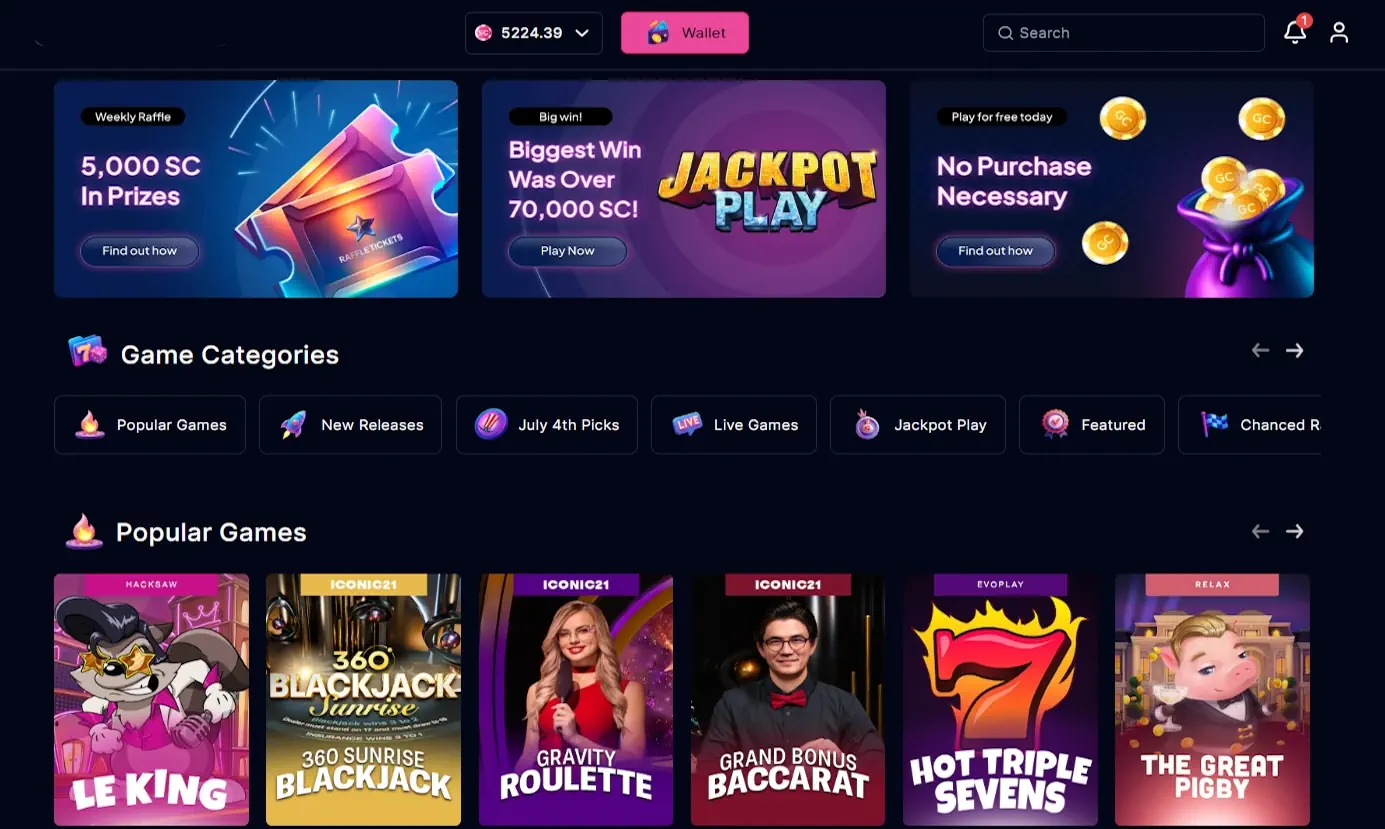
On payment integration for casinos, delays kill momentum. I integrated a 3-method stack and still needed retries, webhooks, and fraud rules. Plan for 2–4 weeks to stabilize deposits/withdrawals end-to-end. Then tune chargeback flows and ledger syncing.
I’ve failed audits when KYC integration was an afterthought. KYC integration for online casinos can force a 1–2 week rework after sandbox tests. Put data retention, PEP checks, and age verification into your operator workflows early.
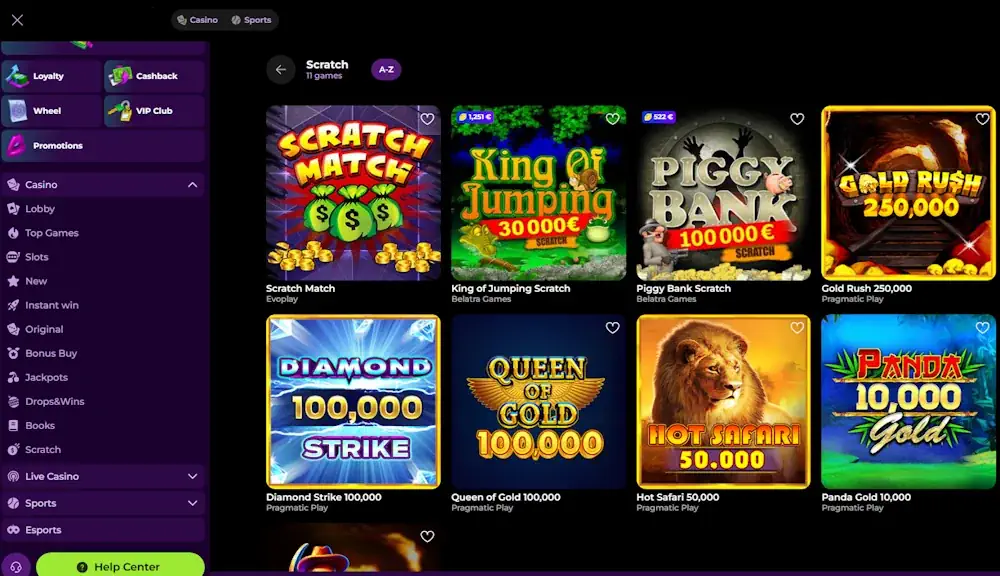
Compliance isn’t a bolt-on; it’s your product spec.
I’ve seen CRM for iGaming break because fields differed by 1–2 characters. Lock your player schema before you build casino CRM workflows. Then test lifecycle triggers with 200+ sandbox users.
Bonus and promos integrations get messy fast unless tracking is exact. Mine the truth from every wager: odds, RTP, and bonus-eligible amounts. I usually validate with 50 seeded bonus accounts and compare ledger totals to the promo rules.
| Tool/Platform | Tracking method | Typical setup time |
|---|---|---|
| Affise | Postback + click IDs | 5–10 days |
| CAKE (CJ affiliate ops) | Network reporting hooks | 7–14 days |
| Impact | Pixel + server events | 6–12 days |
| PartnerStack | API events | 4–9 days |
I hooked up a gaming aggregator API during a rush release. Casino aggregator integration usually needs 2–3 weeks for catalog sync, mappings, and uptime tests. You’ll also manage whitelists, game IDs, and latency across regions.
I’ve used both routes: White label iGaming builds and fully branded turnkey casino launches. White label casino platform swaps can be fast, but branding changes often cost 10–30% extra later. Pick what matches your timeline, then demand real control over casino software integration.
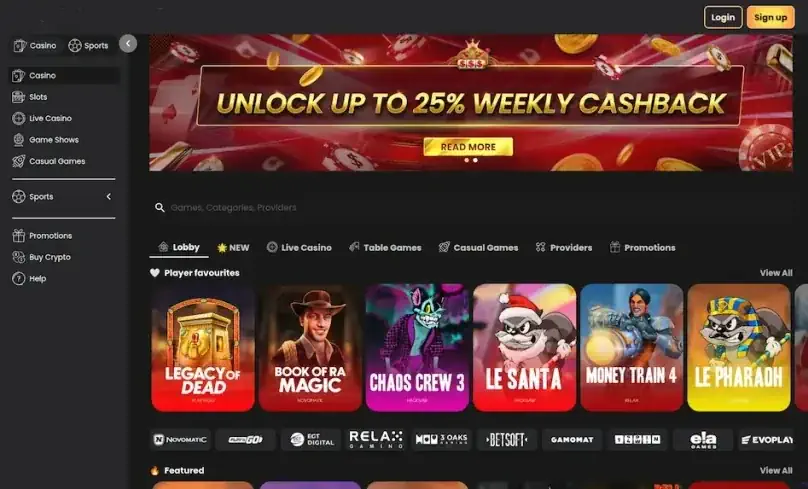
A full iGaming deployment usually covers casino software integration, casino website integration, API casino integration, payments, KYC, and CRM workflows. I’ve seen it succeed when sessions and webhooks are tested before launch.
In my tests, iGaming API and casino API integration stabilization takes about 3 weeks, mainly for idempotency and edge cases. Plan extra time for sandbox-to-production mapping differences.
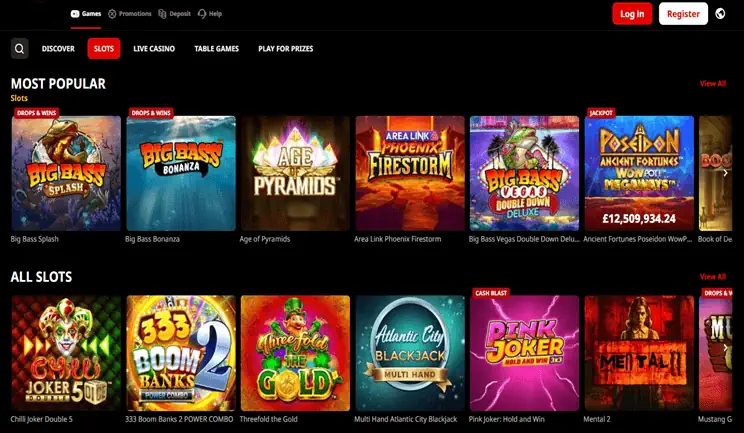
Deposit/withdrawal reliability depends on retries, webhook handling, and ledger sync. I recommend budgeting 2–4 weeks to stabilize end-to-end flows.
Because schema, data retention, and verification rules often need changes after sandbox tests. I’ve seen 1–2 weeks of rework when assumptions weren’t aligned early.
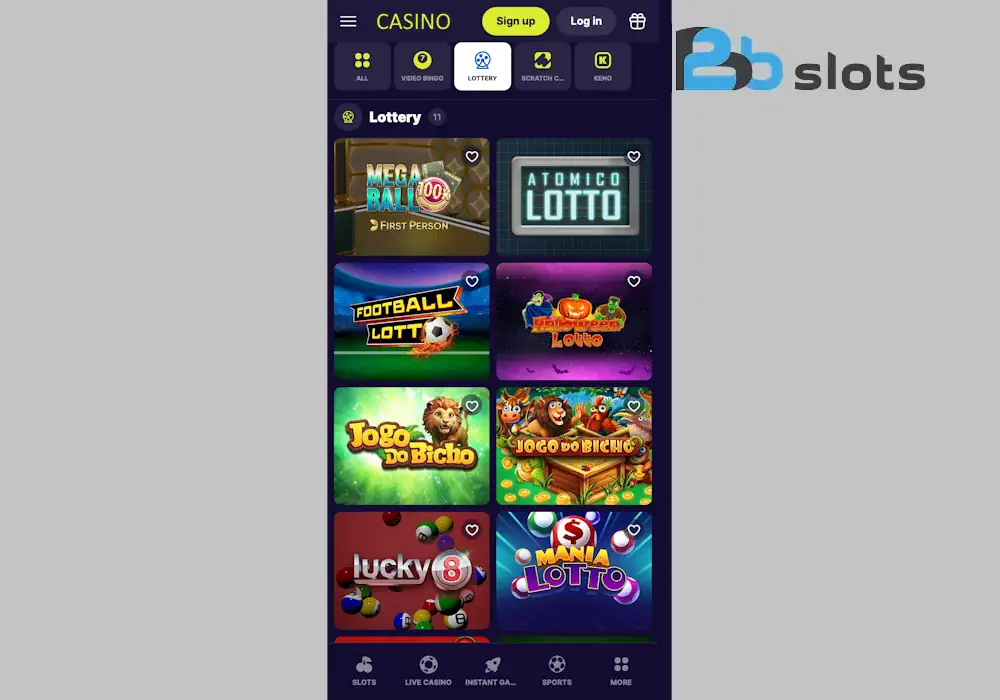
Field mismatches and missing lifecycle events. In practice, locking the player schema first prevents broken casino CRM workflows.
Yes—bonus and promos integration must calculate bonus-eligible amounts from real wagering data. I validate with seeded accounts and compare ledger totals to promo rules.
Comments are closed