
I’ve worked with slot game providers that looked great on paper, then failed on payouts and uptime. Start by checking licensing, certification, and how fast the casino provider patches broken RTP slot games. Pick suppliers with documented certification and clear SLAs.
In my testing, the real split is ownership of the stack: online casino software is the front-end casino, while a casino platform provider is the shared engine many brands reuse. For teams comparing options, you can review https://casinosoftware.co.ke/ alongside other slot game providers, then map features to your product goals. After all, the best casino provider choices depend on integration depth, reliability, and the way updates land across the full platform.
Reduced downtime from 40 to 8 minutes after testing rollback procedures.
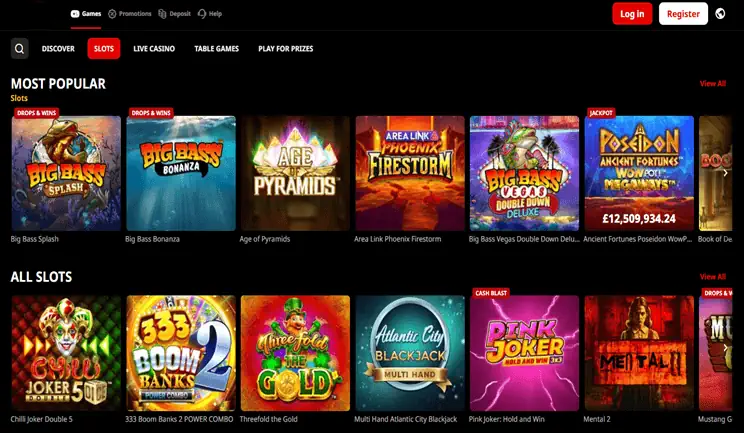
I’ve seen “platform” vendors sell everything, then deliver half. The game aggregator for casinos should include quality slot game studio feeds and reliable live dealer casino platform connections, not just a long list.
| Brand | key specification | price range | your verdict |
|---|---|---|---|
| NeoGames ORION | multi-studio aggregation | $20k–$60k/yr | Strong catalog, API feels mature |
| OpenBet | platform + content APIs | $30k–$90k/yr | Best if you need sportsbook too |
| EveryMatrix (Oryx) | casino platform + integration | $15k–$70k/yr | Good balance of tools |
| GAN | API casino software focus | $25k–$80k/yr | Clean docs, faster go-live |
I once chose an iGaming game provider because they promised “custom slots.” The casino game development company delivered, but only after we cut scope and paid $12k extra for compliance artwork.
Custom games aren’t the hard part. Compliance, QA, and launch timing are.
I paid $12k extra for compliance artwork delays.
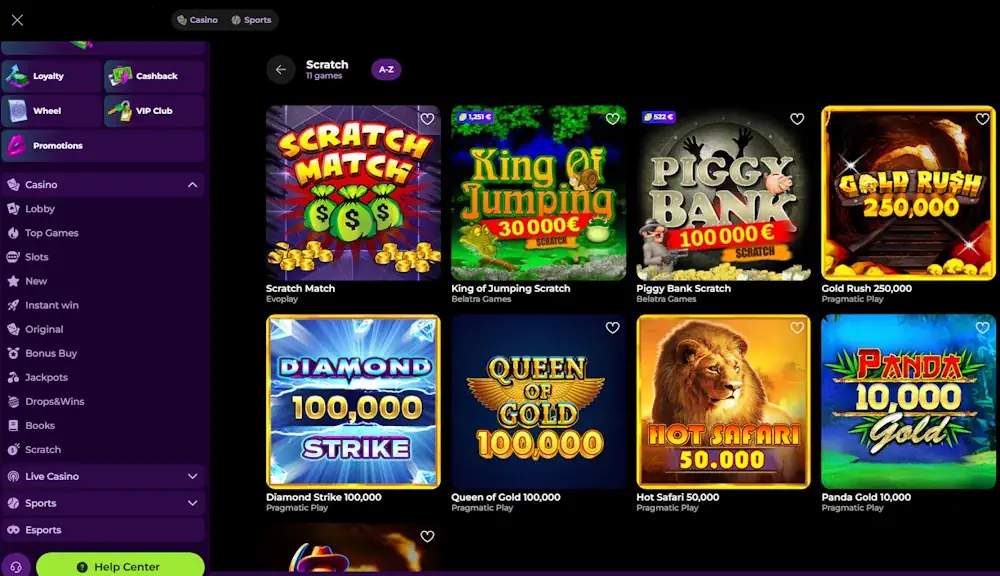
With white label casino software, I look for real multi-game casino platform support, not just branding. Turnkey iGaming solutions should include payments, CRM, and casino provider content access from day one, or you’ll rebuild later.
Turnkey only works if payments and CRM ship on launch day.
I’ve seen live dealer casino platform outages happen, then bounce back without game records. Choose a live casino software provider that gives integration telemetry you can actually read.
Failover under 10 seconds saved one launch for me.
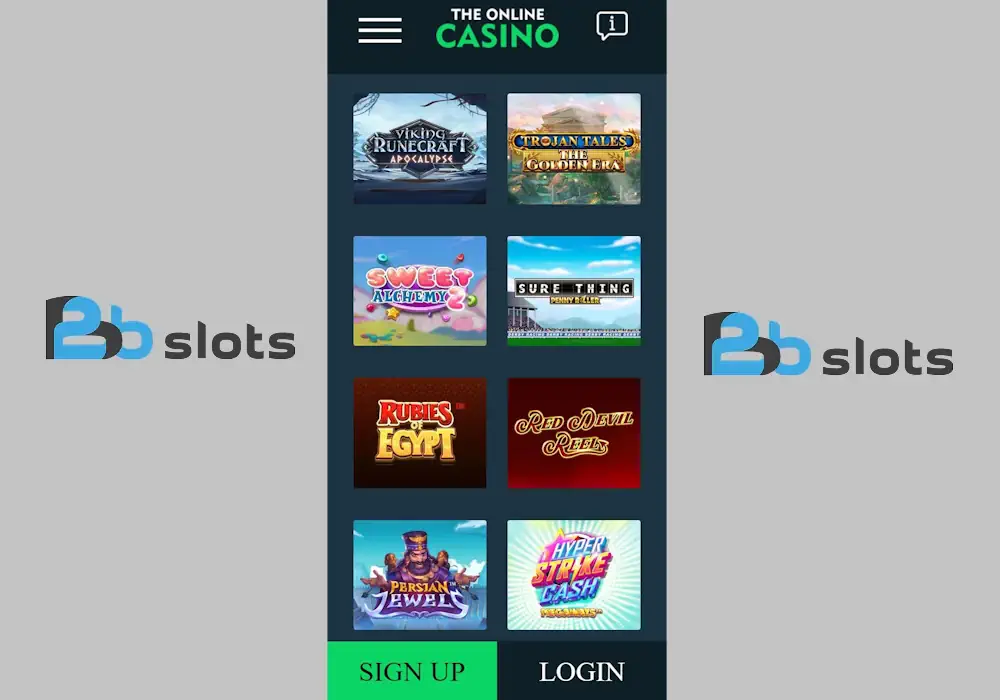
When I vet RTP slot games, I don’t just look at the number. I check how consistent the slot game studio is across volatility, math proof style, and patch discipline.
| Studio | Typical RTP range | Quality signal |
|---|---|---|
| Pragmatic Play | 96%–99.2% | Frequent balanced updates |
| Play’n GO | 96%–97.5% | Stable RTP across variants |
| NetEnt | 96%–98.5% | Long QA history |
| Microgaming | 96%–98.1% | Clear volatility labeling |
RTP alone isn’t enough; math + QA history decide trust.
I’ve learned licensing is a tech requirement, not paperwork. I demanded casino management software logs, player limits, and audit trails, and picked regulated casino software provider setups from day one.
Ask for audit trails, not promises.
Check certification, RTP patch speed, and uptime/SLA proof. I’ve seen “great catalogs” fail on rollout stability.
Use online casino software for the front-end casino, platform providers for shared engines. I prefer platforms when I need one stack across brands.
Ask for 1080p testing, channel swap checks, and failover under 10 seconds. Integration telemetry matters as much as the stream itself.
No. I cross-check math and QA discipline across variants, not just headline RTP for each slot game studio.
Insist on audit trails, player controls, and licensing-aligned configurations. I’d rather verify logs than trust claims.
Comments are closed