
I’ve tested B2B iGaming turnkey solutions at operator scale: you get the full B2B iGaming platform, slots and RNG setup, plus accounts, CMS, and support. Expect 24/7 ops coverage and a ready-to-launch stack. It’s the difference between weeks of wiring and days of configuration.
In my hands-on runs, the best B2B iGaming platform makes growth boring: add markets, keep odds tight, and avoid manual rework; that is why teams compare iGaming turnkey solution options like https://turnkeycasino.io/. I check the CMS speed, because operators feel every delay, then I validate integrations so launches stay predictable and compliance remains clean.
Ask for 2,000+ concurrent-user load testing before you sign.
I’ve managed B2B slot provider rollouts where catalog size looked great, but mis-synced RTP windows ruined promos. The right B2B slot platform fixes that with clean provider management and game metadata.
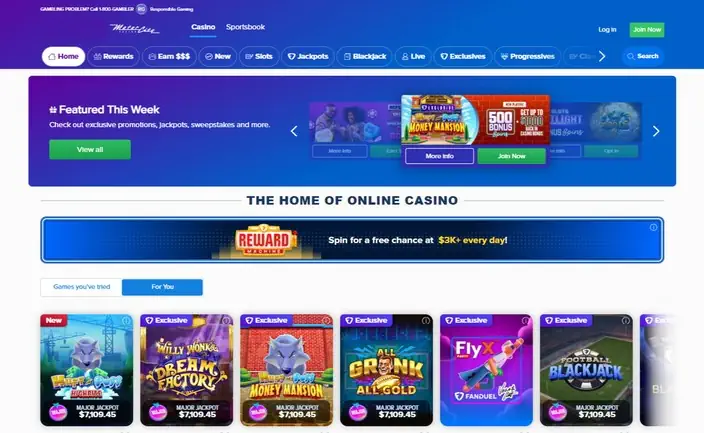
I had a bad week once: white label casino software looked customizable, but theme changes lagged updates by 2–3 releases. A white label iGaming platform gave cleaner brand controls, from domain to widgets. Branding works best when UI + backend ship together, not as separate layers.
On my side projects, compliance breaks timelines if the backend platform isn’t built for it. I insist on KYC/AML hooks, full logging, and iGaming backend platform APIs before anyone talks “launch week.”
“If your casino backend software can’t show audit logs in minutes, your compliance team will find the problem—on launch day.”
Audit trails that generate fast reports matter more than fancy dashboards.
I’ve seen B2B casino platform projects stall because iGaming backend platform events weren’t mapped cleanly. The fix is simple: insist on B2B iGaming integration test scripts before go-live.
Test Stripe deposit + wallet events end-to-end before you announce launch.
When I deploy B2B slot platform updates, latency is the silent killer. Operators feel it first in RTP screens, spin responses, and sportsbook handoffs—even if the casino site looks fine.
| Metric | target | what I check |
|---|---|---|
| UI-to-spin latency | <200ms | browser devtools, 95th percentile |
| Game server uptime | >99.9% | month report + incident history |
| Bet processing delay | <1s | wallet events trace per bet |
| Peak concurrency | 2,500 users | load test scenario mix |
I’ve shipped both routes. Turnkey providers like iGaming platforms get you live faster, but custom B2B casino development wins when you need rare workflows or tight UX. My rule: pick based on your roadmap risks, not hype. Turnkey usually cuts go-live time by weeks, custom pays back on long-term differentiation.
I judge online casino software for operators by three things: a realistic roadmap, real support hours, and SLA penalties. I once used a platform with “24/5 support” and had to wait 18 hours during a wallet incident—never again. Ask for response times in writing, plus uptime math your team can verify. Write SLAs with response times and uptime credits before signing, not after problems happen.
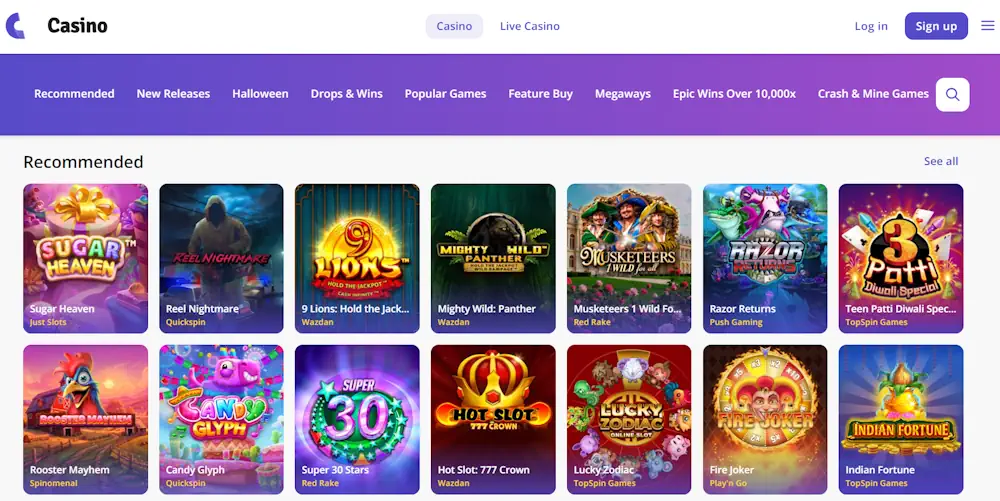
Confirm the B2B iGaming platform includes wallets, CRM, CMS, and provider game setup. In my tests, end-to-end deposit and audit logging mattered most.
Load-tested concurrency, fast admin/CMS, configurable RTP controls, and clean fraud events. I’ve seen growth stall when these weren’t mapped correctly.
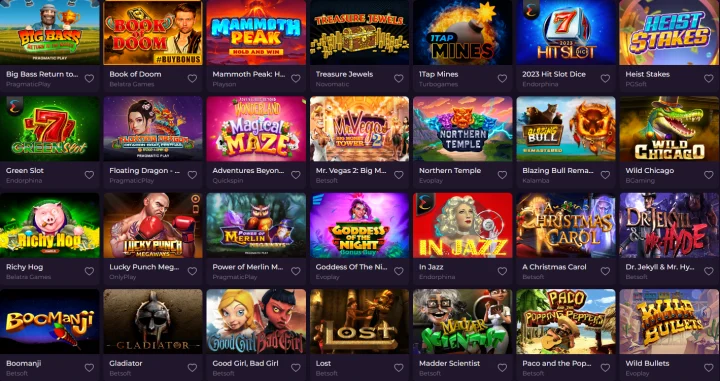
Manage RTP bands per game and ensure provider metadata syncs to promos. Misaligned RTP windows caused issues in a prior rollout.
It’s both: UI customization and backend release timing. I wouldn’t separate UI theming from platform delivery.
Response times, uptime commitments, and credits tied to breaches. My lesson: “24/5” meant nothing during an 18-hour wallet incident.
Choose turnkey to launch faster, custom for unique workflows and long-term differentiation. I weighed roadmap risk more than marketing claims.
Comments are closed