
In my work, a B2B casino platform isn’t “a site.” It’s the software layer operators plug into: games, accounts, and payouts.
I’ve onboarded catalogs where one missing SKU tanked conversion. A solid B2B casino games setup usually means faster launches, fewer manual uploads, and cleaner reporting; for teams seeking a turnkey casino platform, see https://turnkeycasino.ro/ for streamlined platform integration and reliable rollout. With the right casino software provider approach, operational friction drops and performance becomes easier to track.
Top feeds can refresh hourly via game aggregation services.
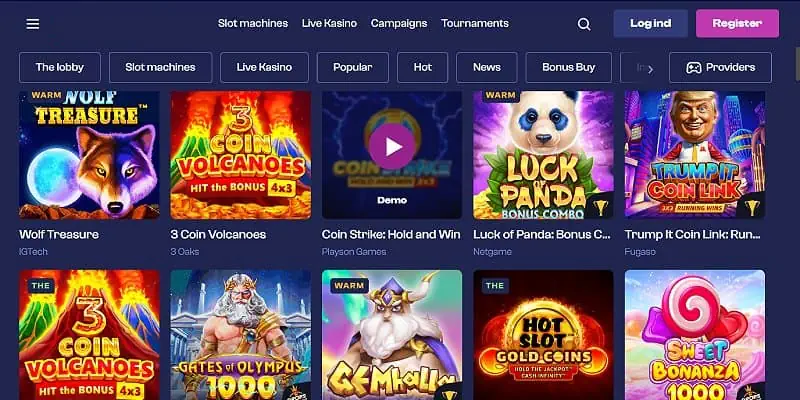
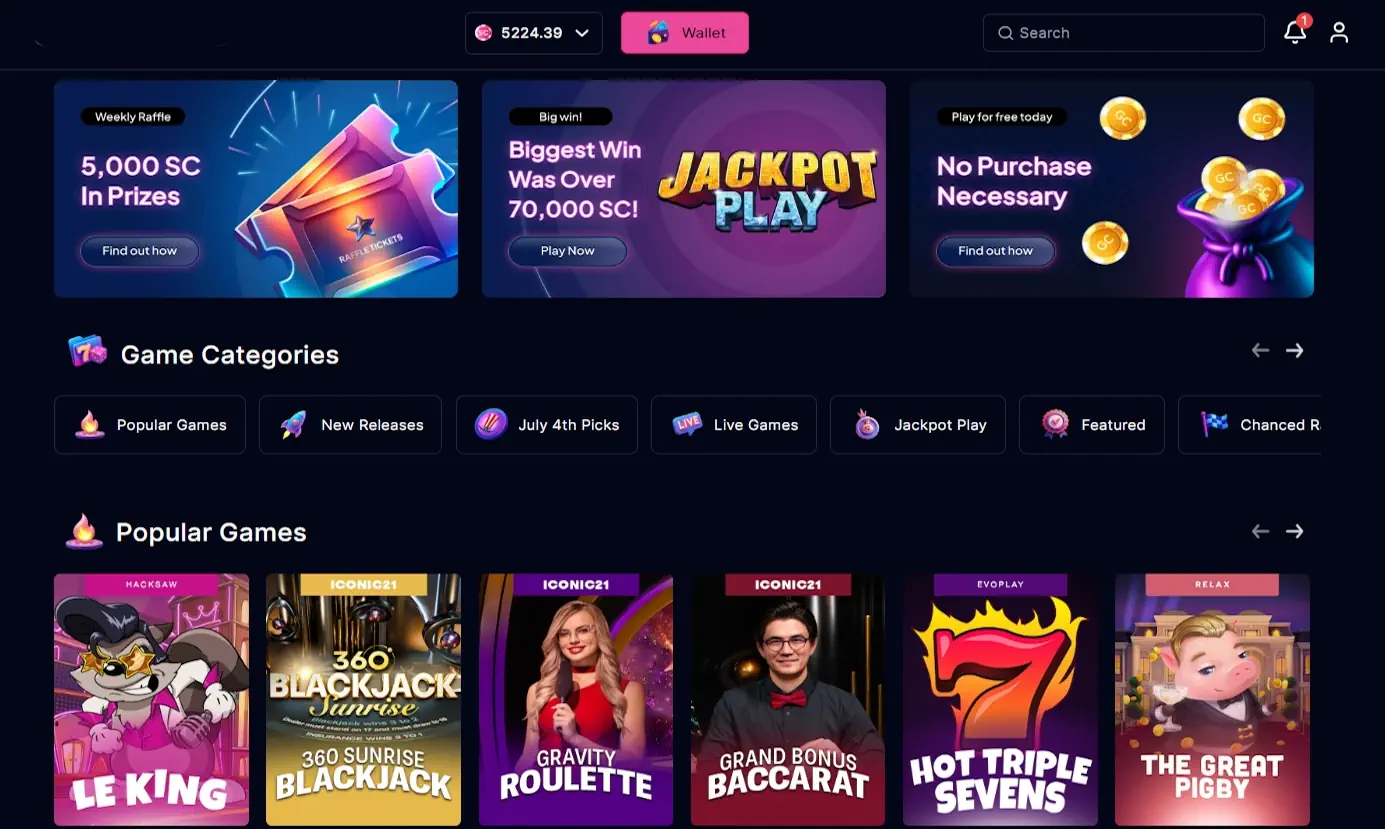
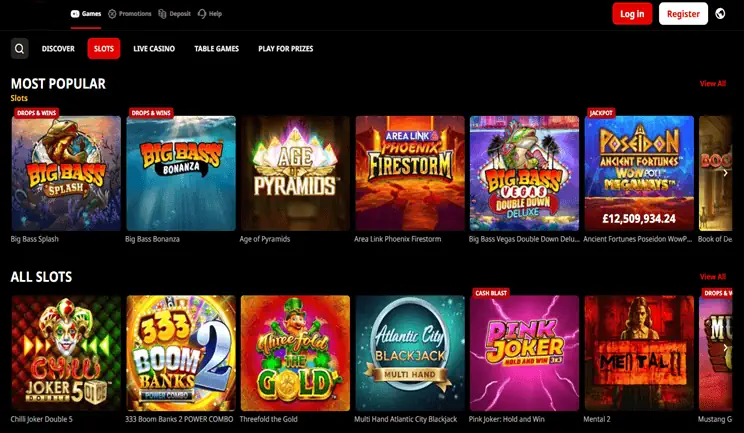
On my test builds, “automation” meant fewer operator clicks and more consistent exposure. The automated slot site platform should handle slot games distribution, ranking, and instant delivery to players.
| Brand | key specification | price range | your verdict |
|---|---|---|---|
| OpenBet (Scientific) | enterprise content ops | $5k–$50k+/mo | powerful, pricey |
| RTG | instant game delivery | $2k–$20k+/mo | good for smaller groups |
| Playson | provider-ready integration | $1k–$15k+/mo | strong slots, light ops |
| CasinoEngine | aggregation + rules | $3k–$30k+/mo | best for automation |
I’ve launched both. A white label casino platform gives you branding control; you still wire operators’ workflows and casino software provider tools. A turnkey casino platform bundles setup faster, but you’ll pay for lock-in. White label is faster to brand; turnkey is faster to launch.
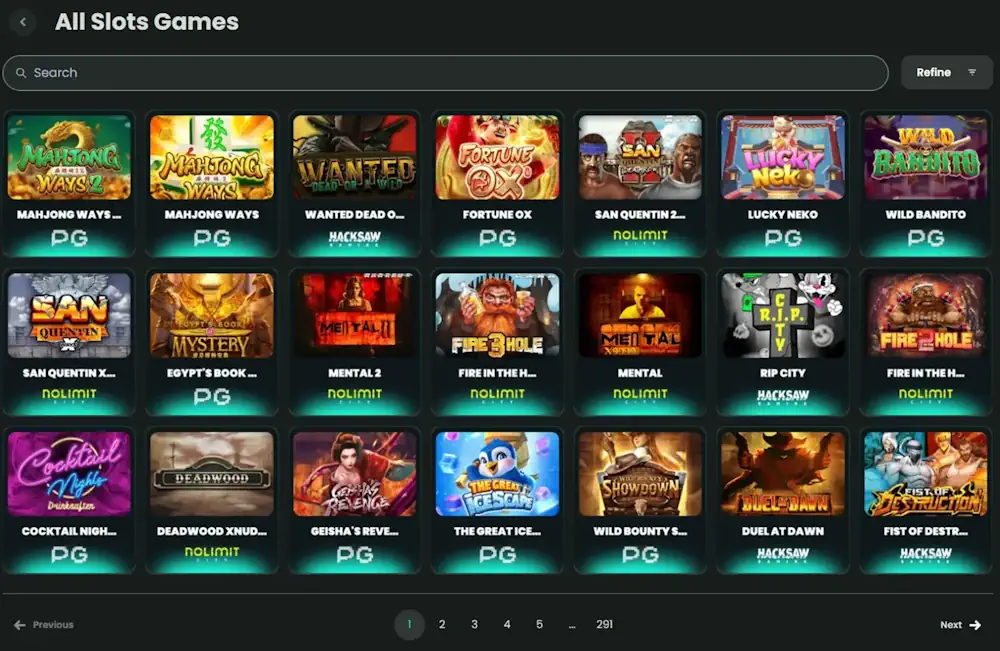
When I evaluate an iGaming technology provider, I look for real API casino integration and predictable game aggregation services. At minimum, you want API endpoints for login, RTP-safe catalogs, and casino game provider delivery. I tested one vendor that updated catalog SKUs every 5 minutes—nice for slot site automation. Reliable iGaming API provider feeds can refresh in minutes, not days.
“If the API docs lag behind the product, your go-live date will drift—every week costs you players, risk, and cash.”
In my trials, the hardest part wasn’t games; it was payment integration for casinos plus reporting. Get casino licensing support language early, or compliance will slow you down at launch.
Plan for audit-grade logs per bet from day one.
I’ve moved catalogs between suppliers and the differences show up fast. You want igaming content provider feeds that keep IDs stable and metadata consistent across content syndication for iGaming. Here’s what I compare in practice:
| Supplier | Content syndication stats | Integration effort |
|---|---|---|
| NetEnt via B2B hub | Up to 150 SKUs; 24–48h updates | Low–med |
| Pragmatic Play via B2B | 2000+ catalog; near-real-time delivery | Med |
| Play’n GO via aggregation | 500+ SKUs; daily refresh | Low |
| SG Digital via API | Hundreds; stable IDs required | Med |
I wouldn’t choose a casino software provider that changes SKU IDs without versioning. Stable game IDs are the quiet deal-breaker for operators.

I manage partners with a managed casino platform, and the value shows in reporting speed. Weekly revenue should reconcile in under 2 hours. It also handles promos, churn flags, and slot game distribution rules without manual CSV chaos. Cut reconciliation time from days to hours.
I shortlist vendors by launch friction, not demos. Check: automated casino platform slot delivery, casino back office integration, audit logs, API casino integration, and an iGaming API provider sandbox. If UAT takes 6+ weeks, I walk away. UAT should be measured in weeks, not quarters.
It’s the operator-facing software for games, accounts, and payouts. In my experience, the right platform reduces manual work and speeds launches.
A slot games aggregator feed keeps catalogs updated and avoids missing SKUs. I’ve seen conversions drop when IDs or metadata drift.
Automation makes routing consistent and cuts operator clicks. When ranking rules are automated, exposure stays steady across markets.
I pick white label when branding speed matters and integration work is manageable. Turnkey wins when you want the quickest go-live, even with lock-in tradeoffs.
Payment integration for casinos plus back-office reporting often drags. I insist on audit-grade logs and a working UAT before signing off.
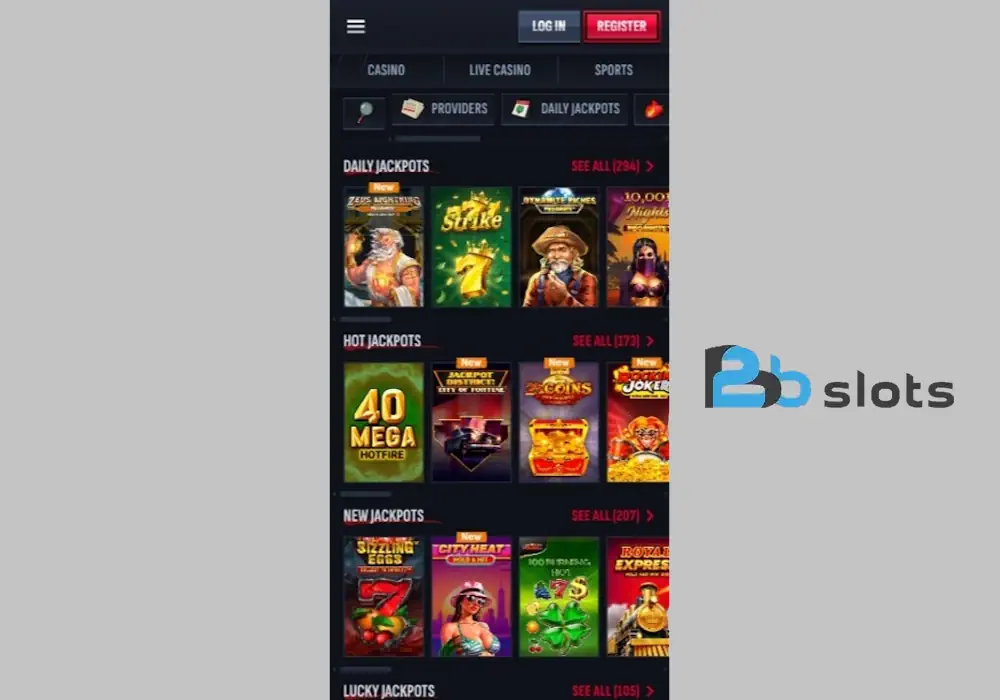
They centralize reporting, operations, and performance checks. In my runs, reconciliation dropped from days to hours.
Automated delivery, casino back office integration, audit logs, and a solid API casino integration sandbox. If UAT drifts past weeks, I walk away.
Comments are closed